
Your Journey Starts Now
GET YOUR FREE BOOK!
You’ll Learn:
1) How to Create Habits – The Right Way
2) Create a Bulletproof Plan to Achieve Your Goals
3) Master the Art of Failing
4) Rediscover Your Love of Learning
5) Instantly Become More Personable

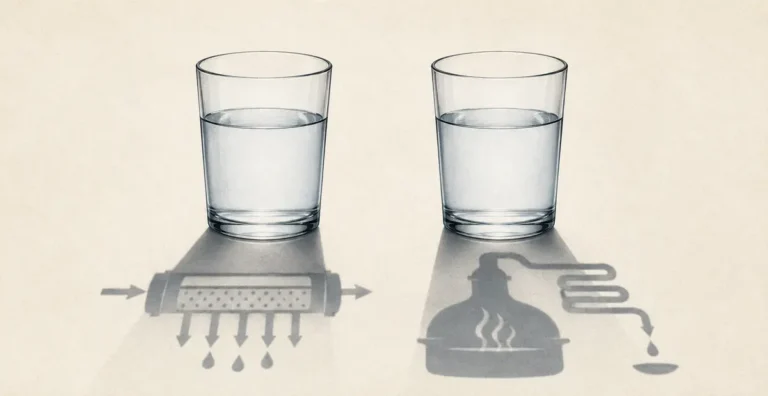
Is Tap Water Bad For You – What The Science Reveals
Tap water isn’t always as clean as it seems. Explore what’s really in it and how to make it safe to drink.

The Benefits of The Ketogenic Diet
Learn how the ketogenic diet boosts brain health, burns fat, and balances hormones with real metabolic science.

Are Seed Oils Bad for You? The Truth About Vegetable Oils
Seed oils were once hailed as heart-healthy, but modern research paints a more complex picture. Here’s what science, biology, and history reveal about their true impact on human health.

Is Red Meat Bad for You? 10 Myths Debunked
Red meat has been blamed for decades — but is it really harmful? Let’s separate facts from food myths.

Is Cholesterol Really Bad For You? Science vs Myth
Cholesterol has long been demonized — but is it really harmful? Discover what modern science says about cholesterol and health.

Is Saturated Fat Bad for You? The Surprising Truth
For decades, saturated fat was blamed for heart disease. Discover why new research paints a very different picture.

What Are Ketones, When Are They Used, and Why Do They Matter?
Ketones aren’t a backup fuel or a fad. They’re a normal energy system that expands metabolic flexibility when glucose alone isn’t reliable.

Glucose vs Fat as Fuel: How the Body Chooses
How the body prioritizes glucose, glycogen, fat, and ketones—and why metabolic health depends on the ability to shift smoothly between these fuels.

What Happens When You Don’t Eat Carbohydrates?
Removing carbohydrates doesn’t starve the body—it shifts fuel use. Here’s how glucose, fat, and ketones power energy when carbs disappear.

What Happens in Your Body When You Eat Carbohydrates?
What actually happens in your body when you eat carbohydrates—from digestion and insulin release to how glucose is used, stored, or converted based on metabolic context.

What Does Insulin Really Do In The Body?
Insulin isn’t the enemy. It’s your body’s energy coordinator—keeping blood sugar safe, directing fuel to tissues, and revealing stress when resistance develops.

Metabolism Explained: How the Body Uses Carbs, Fat, and Protein
Metabolism explained: learn how your body uses carbs, fat, and protein for energy, storage, repair, and fuel switching across real-life conditions.