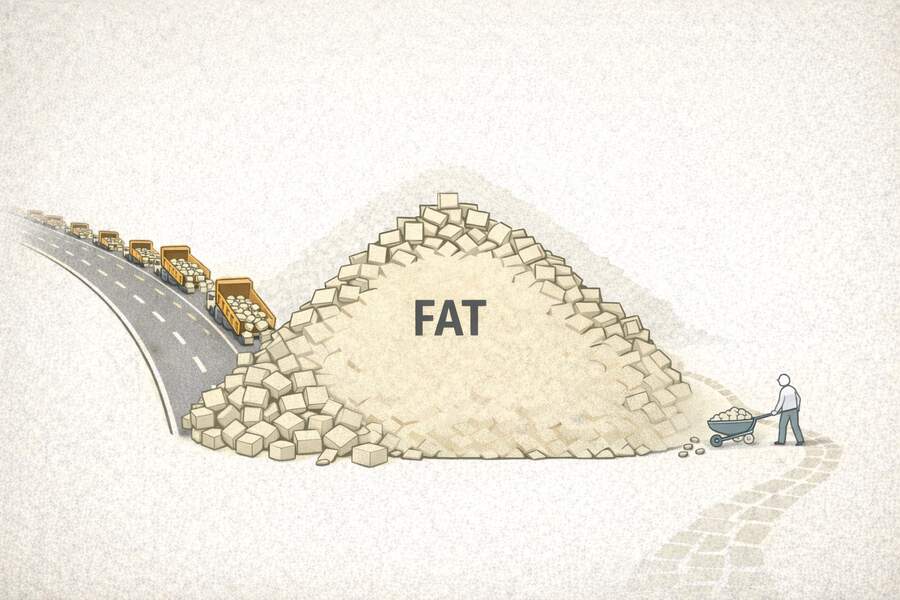
Why the Body Stores Fat (and Why Fat Loss Can Feel Hard)
Fat gain isn’t random. It’s your body responding to signals—food type, meal timing, muscle demand, sleep, and stress—that determine whether energy gets stored or released.

Fat gain isn’t random. It’s your body responding to signals—food type, meal timing, muscle demand, sleep, and stress—that determine whether energy gets stored or released.
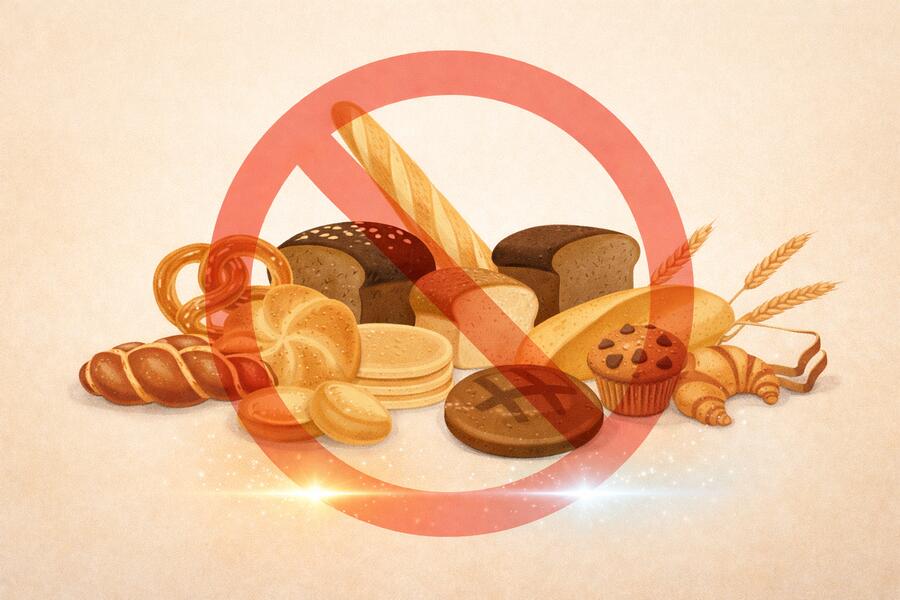
Removing carbohydrates doesn’t starve the body—it shifts fuel use. Here’s how glucose, fat, and ketones power energy when carbs disappear.

What actually happens in your body when you eat carbohydrates—from digestion and insulin release to how glucose is used, stored, or converted based on metabolic context.
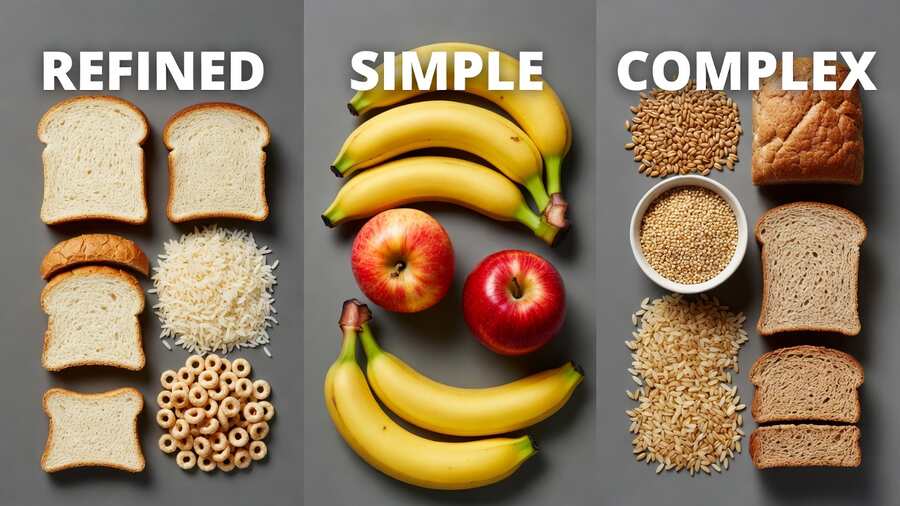
Simple, complex, and refined carbs aren’t as different as you think. Learn how carb types really affect blood sugar, insulin, and metabolism.
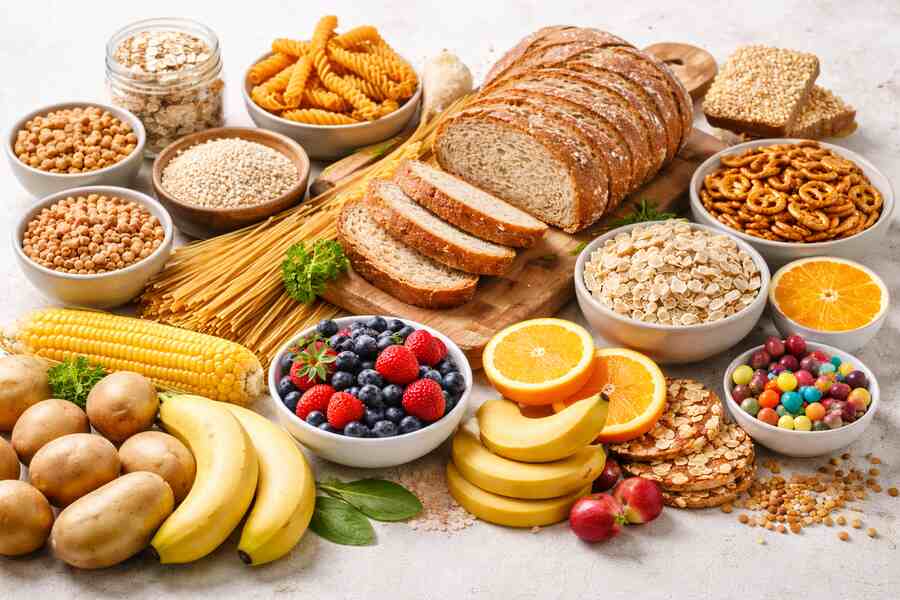
Carbohydrates explained without hype: what carbs are, how they work in the body, and why modern advice about them is so confusing.
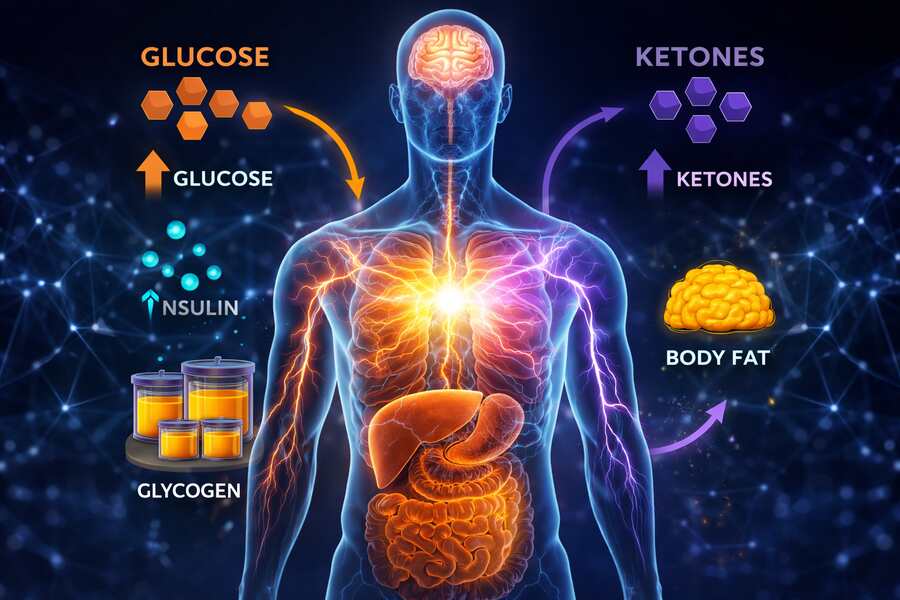
How many carbs do you really need per day? The answer may surprise you — and it challenges long-standing assumptions about carbohydrates and human health.
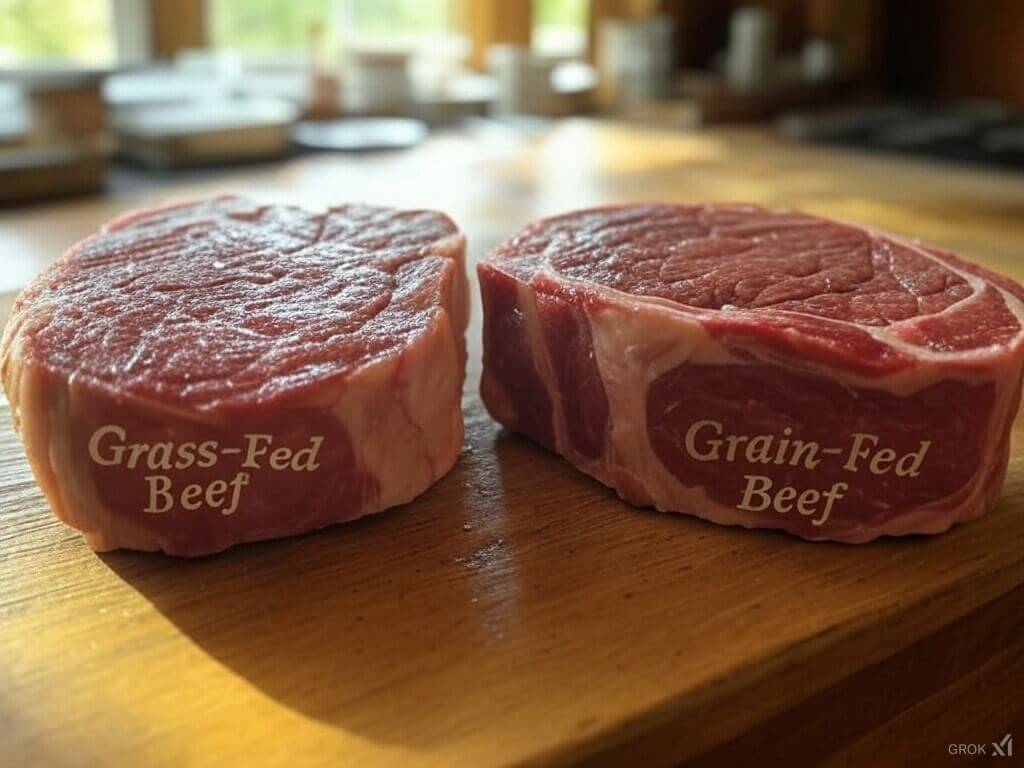
The differences between grass-fed vs. grain-fed beef are vast. From nutritional value to taste and sustainability, here are the key differences.
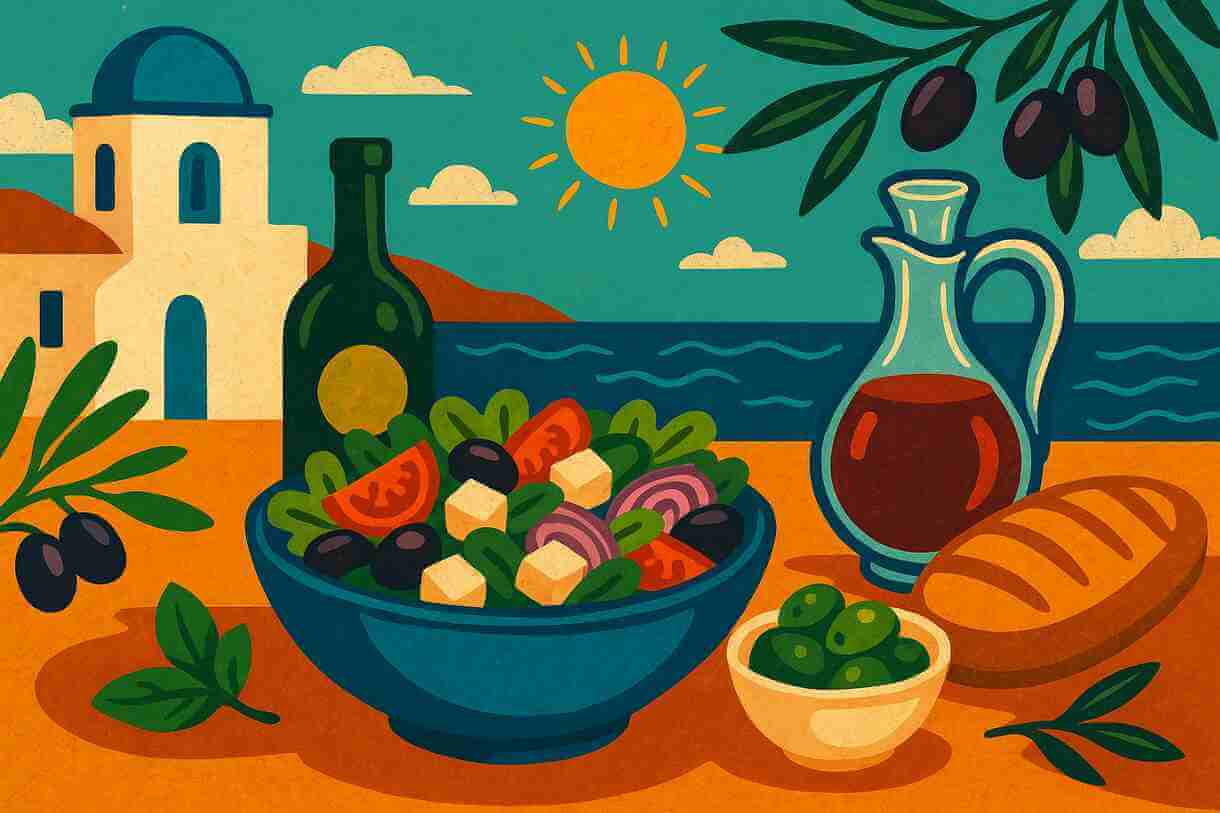
Foods to eat, what to limit, and the heart-health and longevity benefits backed by research.
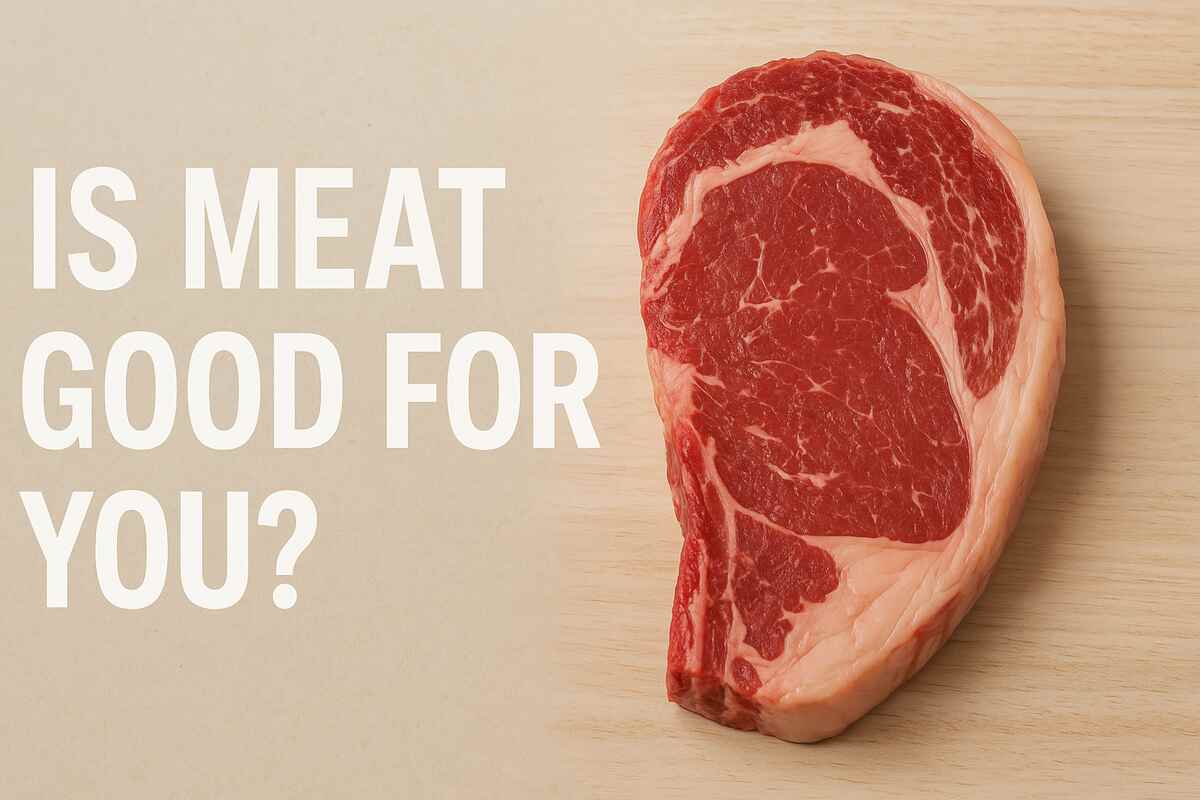
Is red meat dangerous or misunderstood? See what modern nutrition science says about meat, health, and longevity.
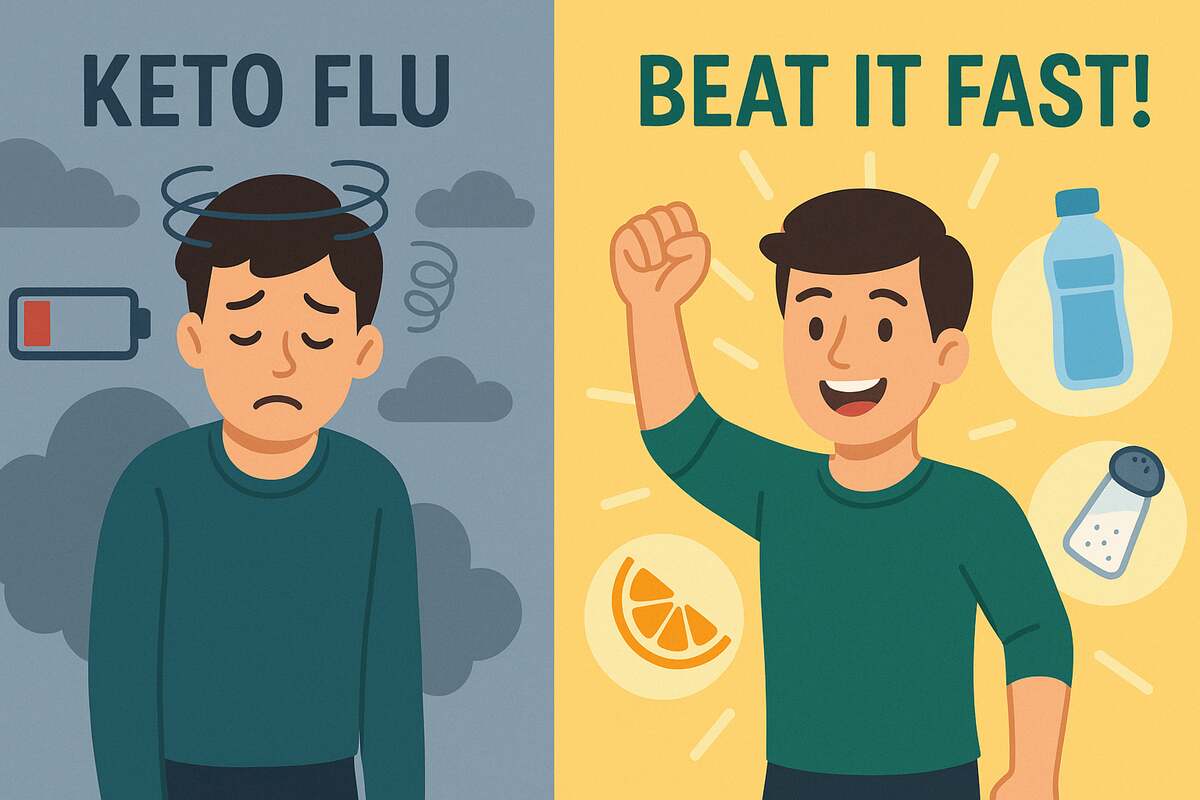
Feeling tired, dizzy, or foggy on keto? It’s probably keto flu. Here’s what it is—and how to beat it fast.