
If it feels like methylene blue appeared out of nowhere, you’re not imagining it. A compound that spent more than a century as a medical dye and a treatment for rare blood disorders is now suddenly all over TikTok, podcast circuits, and wellness newsletters. Blue tongues on Instagram. Claims about “mitochondrial supercharging.” Influencers dropping 1% solutions under their tongues before workouts or deep-work sessions. It has all the markings of a modern health trend.
So why now?
Part of the surge comes from the growing fascination with anything promising better energy, better focus, or better brain function. After several years of widespread fatigue, burnout, and curiosity about mitochondrial health, people are primed for something that claims to “light up” energy production. Methylene blue has a dramatic visual signature, a long scientific history, and a story that feels almost too good: a pharmaceutical dye from the 1800s that might boost cognition.
Then came the amplification. Mentions on large podcasts like Joe Rogan brought methylene blue from fringe biohacker circles into the mainstream almost overnight. Public figures like RFK Jr. referenced their own use, adding another wave of curiosity. Supplement companies quickly followed, releasing consumer-grade methylene blue marketed as a nootropic, often without explaining how dramatically different these microdoses are from clinical doses.
What most people don’t realize, though, is that the renewed excitement is running far ahead of the evidence. Despite the hype, the strongest human studies to date do not show the metabolic “boost” people often claim. Methylene blue isn’t trending because new science proved it works — it’s trending because influencers and social media amplified it faster than the evidence could catch up.
The goal of this article is to step back from the hype and look directly at what the evidence actually supports—and what it doesn’t.
What Is Methylene Blue?
Methylene blue (officially known as methylthioninium chloride) is a synthetic molecule first created in 1876. Although it began as a textile dye, it quickly found a place in medicine because of its unusual ability to enter cells, bind selectively to biological structures, and shift between two chemical states depending on its environment.
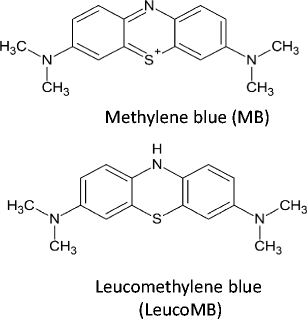
Chemically, methylene blue is built in a way that lets it pick up and drop off electrons, which is why scientists became interested in its effects on cellular metabolism and mitochondrial function.
The molecule’s blue color comes from the way it absorbs light. Methylene blue absorbs most wavelengths of visible light except blue – so even tiny amounts appear intensely colored. Inside the body, the molecule flips between its oxidized (blue) form and its reduced, colorless form called leucomethylene blue. Your cells naturally cycle it back and forth, which is part of why methylene blue has been used to study metabolic pathways for more than a century.
One of its more surprising properties is its ability to cross biological membranes and even enter the brain. Most charged molecules struggle to penetrate the blood–brain barrier, but methylene blue’s structure allows it to reach neural tissue relatively efficiently. This has made it a candidate of interest in research on memory, neurodegeneration, and cognitive function – though far more work is needed to determine where those early findings may lead.
Despite its recent hype, methylene blue is not a supplement, not a plant extract, and not a natural remedy. It is a well-defined synthetic compound with a long medical history, a distinctive chemical profile, and a set of biological effects that can be helpful, neutral, or harmful depending on the dose. In fact, methylene blue was the first drug in history to be created entirely in a laboratory – marking the beginning of modern pharmaceutical medicine.
Forms of Methylene Blue
One of the biggest sources of confusion—and risk—around methylene blue isn’t the molecule itself, but the form in which people buy it. The wellness conversation often treats “methylene blue” as a single interchangeable product, when in reality there are several different grades with entirely different manufacturing standards and intended uses.
Understanding these forms matters, because the purity, contaminants, and concentration can vary dramatically between them.
Forms of Methylene Blue
| Form / Grade | Intended Use | Safe for Human Use? | Key Notes |
| Pharmaceutical-grade (USP / EP) | Prescription medicine | Yes | Clinically regulated, tested for purity, used in hospitals |
| Compounded (licensed pharmacy) | Custom low-dose formulations | Sometimes | Quality depends on pharmacy; not FDA-approved |
| Consumer “USP-labeled” drops | Supplements / nootropics | Unclear | Often lack third-party verification |
| Laboratory grade | Research, staining | No | May contain impurities not safe for ingestion |
| Aquarium / industrial grade | Fish treatment, dye | No | Known contamination risk; never ingest |
1. Pharmaceutical-Grade (USP/EP)
This is methylene blue manufactured according to the same regulatory standards as other approved drugs.
It has strict limits on heavy metals, verified purity tests, and lot-by-lot quality control.
Pharmaceutical-grade methylene blue is used for treating methemoglobinemia, cyanide poisoning, and as a surgical marker. When clinicians administer methylene blue intravenously or orally, this is the grade they use.
This is the only form you can reasonably evaluate for safety or science-based benefit, and is the only form that should be taken for personal use.
2. Laboratory / Industrial / Aquarium Grade
These forms are designed for staining tissues, microscopy, bench chemistry, or treating aquarium infections—not for human ingestion. They are not tested to drug standards, are not required to meet pharmacological purity thresholds, and may contain impurities or heavy metals that don’t matter for lab or aquarium use.
Online confusion often arises because some of these products look identical to medical methylene blue, but they are not interchangeable. They are commonly sold as fish tank antifungals, disinfectants, or dyes, and often contain stabilizing agents, unknown solvents, and variable concentrations.
This is the source behind many cautionary articles warning of “impurities.” Those warnings are valid—but they primarily apply to non-medical methylene blue, not pharmaceutical-grade.
3. Consumer Products (Oral Drops, Lozenges, Capsules)
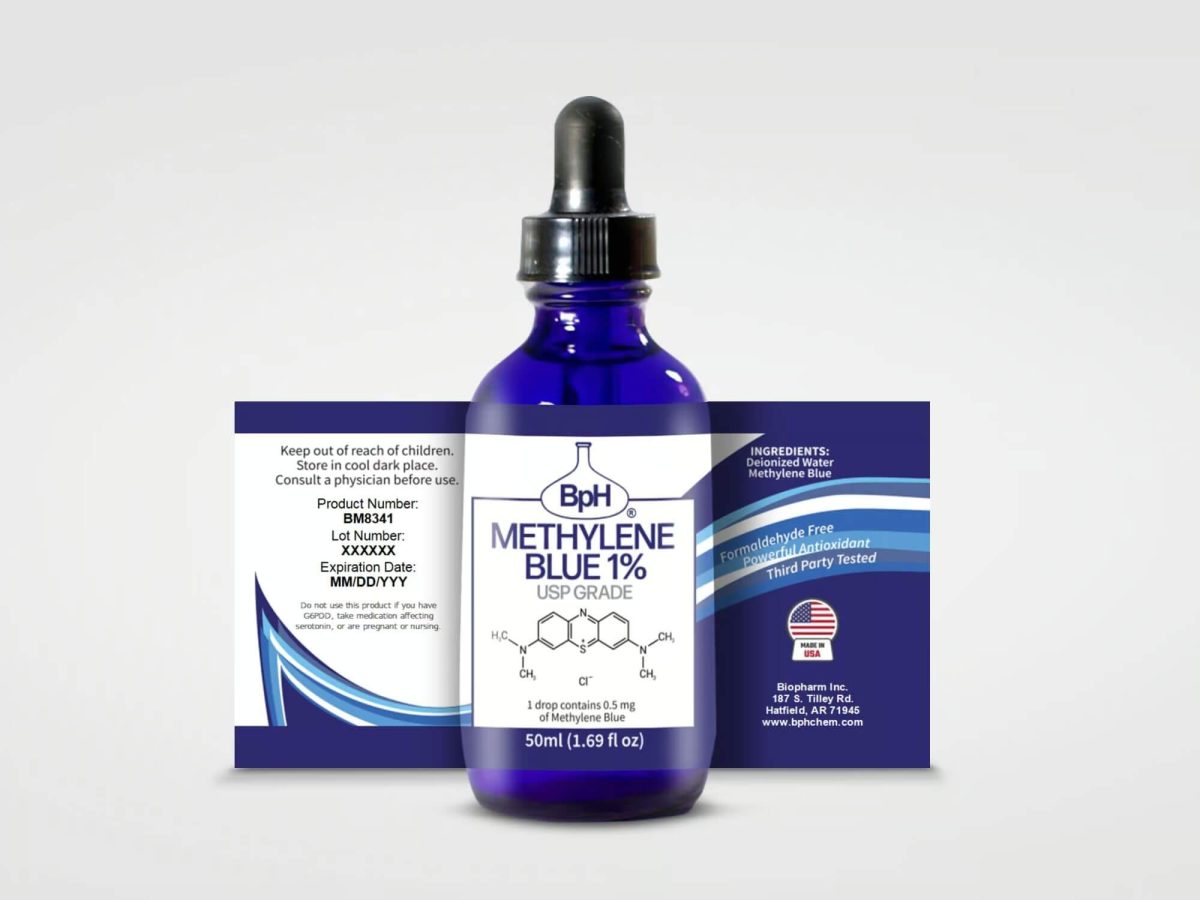
This category exists in a regulatory gray zone. Many brands market “USP-grade” methylene blue, but few provide independent third-party testing and labels often lack clarity on actual concentration. As a result, some may be repackaged lab-grade solutions, and medical grade quality cannot be guaranteed.
This is part of the current hype: consumers are buying methylene blue solutions without knowing whether they match pharmaceutical standards.
Some functional medicine clinics and compounding pharmacies formulate methylene blue in low-dose capsules, troches/lozenges, and oral drops. Quality can be consistent if the pharmacy is legitimate, but standards vary widely, and compounded products are not FDA-approved.
Clinical Uses of Methylene Blue
Before exploring the trending wellness claims, it’s important to understand what methylene blue is actually approved to do in medicine today.
The Only FDA-Approved Use
Methylene blue is officially approved for just one primary medical condition: methemoglobinemia — a rare but dangerous state where hemoglobin can’t carry oxygen properly. At low IV doses, methylene blue restores hemoglobin’s oxygen-carrying ability within minutes, making it a reliable, life-saving antidote in hospitals.
This is the clearest, most established clinical use of methylene blue.
Other Non FDA Medical Applications
Outside this narrow indication, methylene blue has a long history in medicine, supported by varying degrees of scientific evidence, including:
• Surgical and diagnostic dye
Used to stain tissues, map lymph nodes, identify lesions, and guide surgeons during breast, parathyroid, and gastrointestinal procedures.
• Antidote in certain toxicities
Helps counteract cyanide poisoning and reverses specific drug-induced neurotoxic effects by supporting mitochondrial energy production.
• Severe vasoplegia or septic shock
In critical-care settings, methylene blue can raise blood pressure when standard medications fail by blocking nitric-oxide–mediated vasodilation.
Benefits of Methylene Blue
| Claimed Benefit | What Studies Show | Evidence Type | Confidence Level |
| Mitochondrial support | Increased oxygen use in cells; reduced metabolism in humans at clinical doses | Cell, animal, human imaging | Low–Moderate |
| Cognitive enhancement | Memory improvements in animals; small human trials show mixed results | Animal, small human trials | Low |
| Neuroprotection (Alzheimer’s) | Reduced tau aggregation in models; human trials mixed | Cell, animal, clinical trials | Low |
| Mood support | Improvements in bipolar/PTSD trials; MAOI risk | Small clinical trials | Low–Moderate |
| Skin anti-aging | Reduced oxidative stress; increased dermal thickness in models | Cell & 3D skin models | Moderate (non-clinical) |
| Antimicrobial (PDT) | Strong effects when light-activated | Clinical & lab | High (medical use only) |
1. Mitochondrial Support
When people talk about “mitochondrial support,” they are usually talking about energy, resilience and aging at the cellular level. Mitochondria are the structures inside cells that convert oxygen and nutrients into usable energy (ATP).
When they function well, cells produce energy efficiently and generate less damaging oxidative stress. When they function poorly, fatigue, inflammation, and tissue degeneration tend to increase. Because of this, compounds that appear to improve mitochondrial efficiency are often associated with better energy, cognitive clarity, and long-term cellular health.
In cell and animal studies, methylene blue bypasses damaged Complex I (the first entry point for electrons in energy production) and Complex III (a major electron-transfer step in ATP generation) while reducing ROS (reactive oxygen species that drive oxidative stress), theoretically improving mitochondrial resilience under stress.
In fibroblast models, methylene blue increased mitochondrial complex IV activity by about 30% and enhanced cellular oxygen consumption by roughly 37–70%, suggesting a meaningful boost in mitochondrial respiration.
In early rat experiments, a low dose (0.5 mg/kg), methylene blue boosted the brain’s cerebral metabolic rate of oxygen—essentially how much oxygen the brain consumes to produce energy—by approximately 18% under resting conditions.
More recent human and rat neuroimaging studies, however, contradict this. Using MRI and autoradiography, researchers found that 0.5–1 mg/kg IV methylene blue reduced human brain oxygen metabolism by 8–12%, and 2–4 mg/kg reduced rat brain glucose metabolism by 12–20%. These dose-dependent reductions support a hormetic model: extremely low doses may enhance mitochondrial activity, while higher (“clinical”) doses suppress it.
Taken together, these studies suggest that methylene blue may support healthier mitochondria—potentially improving cellular energy production, stress resilience, and antioxidant capacity—but only at extremely low doses that have not yet been validated in humans.
Early lab and animal studies show clear increases in oxygen consumption and reduced oxidative stress, which could translate into steadier energy and improved cellular function.
However, the only modern human imaging study found the opposite effect at typical clinical doses, showing a reduction in brain oxygen metabolism rather than an increase. This means that while methylene blue’s mitochondrial benefits are biologically plausible and strongly supported in vitro, it remains uncertain whether the doses people commonly use today can deliver those same effects in real life.
2. Cognitive Enhancement and Memory
This is arguably the most hyped area – and, unfortunately, the one with the most inconsistency. The idea stems from methylene blue’s effects on neuronal energy metabolism, cytochrome oxidase activity, and nitric oxide signaling.
In animals, methylene blue repeatedly enhances learning and memory. In some models, a 70% increase in cytochrome oxidase (a key mitochondrial enzyme that drives energy production in neurons) activity was observed after low-dose methylene blue, correlating with improved discrimination learning.
Human studies are small but interesting.
- A double-blind trial using 280 mg/day found a 7% improvement in memory retrieval accuracy and increased activation in task-related brain networks on fMRI.
- A PTSD study using 260 mg/day reported measurable improvements in working memory performance compared to baseline.
- In a Phase 2 clinical trial in bipolar disorder, a daily dose of 195 mg of methylene blue improved depression and anxiety scores without significant adverse effects.
These are promising findings, but all trials are small (20–40 participants), short-term, and often underpowered. Crucially, methylene blue’s cognitive effects appear to invert at higher doses, consistent with the metabolic suppression seen in neuroimaging studies.
3. Neuroprotection in Alzheimer’s
Methylene blue’s most serious scientific attention has come from its potential role in neurodegenerative disease — particularly through its effects on tau protein aggregation, oxidative stress, and mitochondrial decline.
Cell and animal studies suggest that methylene blue may protect the brain in several ways. It has been shown to block the formation of tau tangles, reduce the buildup of beta-amyloid proteins, support healthier mitochondrial energy production, and lower the oxidative stress that damages neurons.
In Alzheimer’s mouse models, methylene blue improved cognition and restored aspects of mitochondrial function.
Human trials are mixed, however.
- Rember (138 mg/day): preliminary results suggested an 81% reduction in cognitive decline over 50 weeks in moderate Alzheimer’s Disease.
- LMTM (8–250 mg/day): Phase 3 trials showed no benefit when used as an add-on therapy, though a later non-randomized analysis suggested that 8 mg/day slowed brain atrophy.
Taken together, these results suggest that dose, formulation, and study design matter enormously and that early promise has not yet translated into reliable clinical benefit.
4. Mood and Mental Health
Methylene blue also interacts with monoamine oxidase A (MAO-A), nitric oxide pathways, and glutamate signaling — all relevant to mood regulation.
In bipolar disorder, a study comparing 195 mg/day vs. 15 mg/day found clinically meaningful improvements in depression, anxiety, and cognitive scores. PTSD patients taking 260 mg/day also showed improved working memory and neural network efficiency.
However, methylene blue is a potent MAOI (a substance that prevents the breakdown of key brain chemicals like serotonin and dopamine) at higher doses, and combining it with SSRIs, SNRIs, or certain antidepressants can trigger serotonin syndrome, a rare but potentially fatal reaction.
While there is early evidence for mood benefits, the interaction risks between neurotransmitters are serious, thus this is not an area for self-experimentation.
5. Skin Health and Anti-Aging
Interest in methylene blue for skin aging stems from laboratory research showing consistent effects on the cells that make up the dermis (the deeper layer of skin responsible for strength, elasticity, and repair). In vitro experiments (studies using human skin cells and reconstructed skin tissue) provide the best data we have so far.
Methylene blue acted as a potent antioxidant in cultured human skin fibroblasts (the cells that produce structural proteins), reducing harmful reactive oxygen species and lowering markers of cellular aging. In comparison with other antioxidants tested, methylene blue more effectively stimulated fibroblast proliferation and delayed senescence (the process by which cells stop dividing and contribute to aging) over four-week treatments.
In a 3-dimensional human skin model, which more closely mimics real skin than flat cell cultures, methylene blue treatment increased dermal thickness and skin hydration, suggesting better structural integrity and moisture retention.
Methylene blue also encouraged the production of collagen and elastin, the two major proteins that give skin its firmness and elasticity. While exact percentage increases weren’t quantified in the primary study, reviews and follow-up analyses report that methylene blue upregulated genes for elastin and collagen 2A1 expression, which are essential for youthful skin structure.
Across these experimental systems, methylene blue outperformed some commonly studied antioxidants in terms of stimulating cell division and reducing aging markers, indicating it may be unusually potent at a cellular level.
6. Antimicrobial & Photodynamic Therapy
When exposed to specific wavelengths of light—most commonly red light—methylene blue becomes highly reactive and produces singlet oxygen, a short-lived molecule that is lethal to bacteria, fungi, and other pathogens. This process is known as photodynamic therapy (PDT) and is used in controlled clinical settings.
In clinical and laboratory studies, this light-activated effect has shown striking antimicrobial results. In one small clinical study, photodynamic methylene blue achieved complete clearance of oral candidiasis in all patients within seconds of activation.
Other studies have reported meaningful improvements in fungal nail infections, as well as strong bactericidal activity against antibiotic-resistant organisms like MRSA in wound care settings.
Beyond infections, early laboratory models suggest potential anti-cancer effects, particularly in melanoma, where methylene blue–based photodynamic therapy has been shown to damage tumor cells under controlled conditions. These findings remain preliminary and are largely confined to experimental or early-stage research environments.
Risks, Side Effects, and Interactions
Before anything else, it’s worth remembering that methylene blue is a prescription drug with a narrow therapeutic window, not a benign nutrient or herbal supplement. As a result, it has some potentially serious side-effects that must be accounted for.
Dose Is the Primary Risk Factor
One of the defining features of methylene blue is its hormetic dose response. At very low doses, it may behave neutrally or potentially beneficially. As doses increase, those same mechanisms can flip in the opposite direction.
Clinical literature shows that adverse effects become more common above roughly 2 mg per kilogram of body weight, with serious toxicity reported at higher levels. This risk is compounded by the fact that methylene blue can accumulate in tissues, including the brain, meaning blood dose does not always reflect tissue exposure.
In practical terms, small changes in dose can lead to large changes in biological effect.
Common Side Effects
Even when used appropriately in medical settings, methylene blue is associated with a range of side effects. The most visible is blue or green discoloration of urine, skin, or mucous membranes, which is dose-dependent and usually reversible.
Other reported effects include headache, nausea, dizziness, chest tightness, and shortness of breath. When administered intravenously, pain or burning at the infusion site is common. Methylene blue also interferes with pulse oximeters, sometimes producing falsely low oxygen saturation readings—an effect well known in hospitals but often overlooked outside them.
These effects are not rare or anecdotal; they are part of the established clinical profile of the drug.
Antidepressants and Serotonin Syndrome
One of the most serious risks involves drug interactions. Methylene blue functions as a monoamine oxidase inhibitor (MAOI), meaning it slows the breakdown of neurotransmitters such as serotonin.
When combined with antidepressants—particularly SSRIs, SNRIs, tricyclic antidepressants, or certain migraine medications—this can precipitate serotonin syndrome, a potentially life-threatening condition marked by agitation, fever, tremor, confusion, and cardiovascular instability.
This interaction is explicitly recognized in clinical guidelines and is one of the strongest arguments against unsupervised use.
G6PD Deficiency
In individuals with glucose-6-phosphate dehydrogenase (G6PD) deficiency, methylene blue can damage red blood cells and trigger hemolytic anemia. This is not a theoretical risk—it is a well-documented contraindication.
Because many people are unaware of their G6PD status, this represents a hidden vulnerability that is screened for in hospitals but rarely considered in self-experimentation.
Purity and Quality
Not all methylene blue is created equal. Pharmaceutical-grade (USP) methylene blue must meet strict purity standards. Industrial, laboratory, or aquarium-grade products—often sold online—do not.
These non-medical formulations may contain toxic impurities, and misuse has resulted in documented hospitalizations. While this issue exists with other compounds, it is especially relevant here because methylene blue is frequently purchased outside regulated medical channels.
Long-Term Use
Although methylene blue has been used in medicine for over a century, most applications involve short-term, supervised treatment. There is no high-quality evidence establishing the safety of chronic daily use in healthy individuals.
There are also no validated oral dosing guidelines for longevity, cognitive enhancement, or general wellness, and no data supporting its combination with other supplements or nootropics.
Absence of evidence is not proof of harm—but it is also not proof of safety.
Methylene Blue Dosages
In hospitals, methylene blue is used as a prescription drug, not a supplement. It is typically administered intravenously at 1–2 mg per kilogram of body weight, depending on the condition being treated. For an average 80-kg adult, that works out to 80–160 mg delivered directly into the bloodstream, under medical supervision.
That is not how most people are using methylene blue today.
Most consumer methylene blue products are sold as oral liquid solutions with a dropper. Concentrations vary, but a very common formulation provides approximately 0.5 mg per drop, with a typical use of around 1–5 drops per day, for a total daily amount: 0.5–2.5 mg.
This means most people are taking tiny amounts — often 30 to 100 times lower than standard clinical doses, and taken orally rather than intravenously. This is best described as microdosing, not therapeutic dosing.
Part of the rationale for microdosing comes from early laboratory research showing that methylene blue behaves differently at different concentrations. At very low levels, it appears to interact with mitochondria in ways that may support cellular energy production. At higher doses, it can do the opposite.
Because of this, many people deliberately avoid higher amounts and instead aim for minimal exposure, hoping to capture potential benefits without triggering known side effects.
It’s important to reiterate that no human studies have tested oral microdoses like these, and no clinical trial has established an effective or optimal dose for wellness, energy, cognition, or longevity.
Cell and animal studies do show biological effects at very low concentrations, including changes in mitochondrial enzymes and oxidative stress, which is why people speculate that microdoses might “do something” even without human data.
Having said that, cell and animal studies show that methylene blue can exert biological effects at very low concentrations, including changes in mitochondrial enzyme activity and oxidative stress. That helps explain why people believe microdoses might do something. There are also many anecdotal instances of people improving energy and other symptoms, which cannot simply be ignored.
However, human imaging studies using higher, clinical doses found reduced brain energy metabolism, not increases. This suggests methylene blue likely follows a narrow dose window, where extremely low doses may stimulate certain pathways, while higher doses suppress them.
Whether oral microdoses actually land in that “sweet spot” for humans remains unknown.
How Methylene Blue Is Used in Different Contexts
| Context | Approximate Amount | Route | Purpose |
| Hospital treatment | 1–2 mg/kg | IV | Acute medical emergencies |
| Psychiatric trials | ~195–260 mg/day | Oral | Short-term research use |
| Alzheimer’s trials | 8–250 mg/day | Oral | Experimental disease trials |
| Online microdosing | Often <5 mg/day | Oral | Unregulated wellness use |
So, Should You Take Methylene Blue?
Methylene blue is not snake oil — but it is also not a proven longevity or energy supplement.
From a scientific standpoint, methylene blue is a real drug with well-documented biological activity. In laboratory and animal models, it shows credible effects on mitochondria, oxidative stress, cellular aging, antimicrobial activity, and neurobiology. These findings explain why it has attracted attention beyond its traditional medical uses.
However, when this research is translated into real-world use, the picture becomes far less clear.
The doses used in hospitals are much higher than what most people take today — and at those clinical doses, modern human imaging studies show reduced brain energy metabolism, not enhancement. The low “microdoses” popular online are biologically plausible and theoretically safer, but they have not been tested in controlled human trials, and no clear benefit has been established at those levels.
In other words, methylene blue sits in an unusual middle ground: it is too pharmacologically active to be treated like a harmless supplement, yet too under-studied at low oral doses to be confidently recommended.
For people interested in experimentation and willing to accept uncertainty, methylene blue may be an intriguing research compound — not a guaranteed upgrade. For others, especially those taking antidepressants, with G6PD deficiency, or with cardiovascular or neurological conditions, the risks and interactions likely outweigh any theoretical upside.
At this stage, the most honest conclusion is this:
Methylene blue is scientifically interesting, medically legitimate, and biologically powerful — but its use as a wellness or longevity tool remains unproven, dose-sensitive, and not risk-free.
FAQs
What are the benefits of methylene blue?
Methylene blue shows potential benefits in laboratory and animal studies, including effects on mitochondria, oxidative stress, skin aging, and brain function. However, consistent benefits have not been confirmed in large human trials.
What are the risks or side effects of methylene blue?
Methylene blue can cause side effects such as nausea, headache, dizziness, blue discoloration of urine or skin, and serious drug interactions, especially with antidepressants that affect serotonin levels.
What is the correct dosage of methylene blue?
There is no established or FDA-approved dosage of methylene blue for wellness, longevity, or cognitive use. In medical settings, it is administered intravenously at much higher doses under supervision. By contrast, popular “microdosing” practices online typically involve very small oral amounts (often under 5 mg per day), but these doses have not been studied, validated, or proven effective in humans.